









Design & Aesthetic
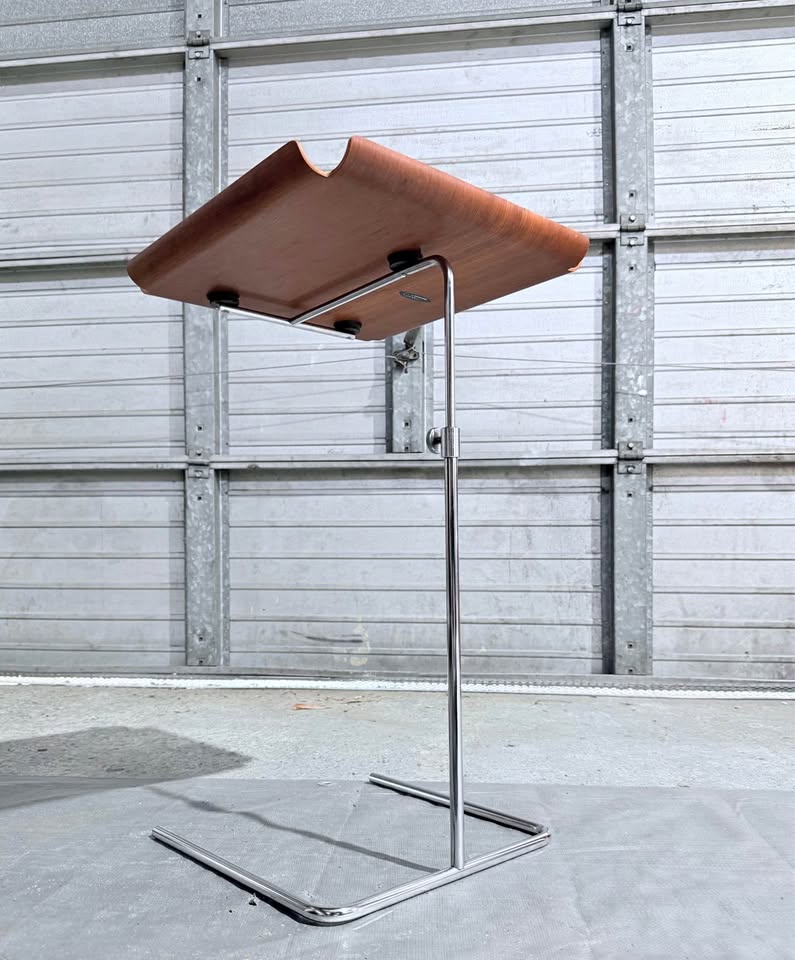
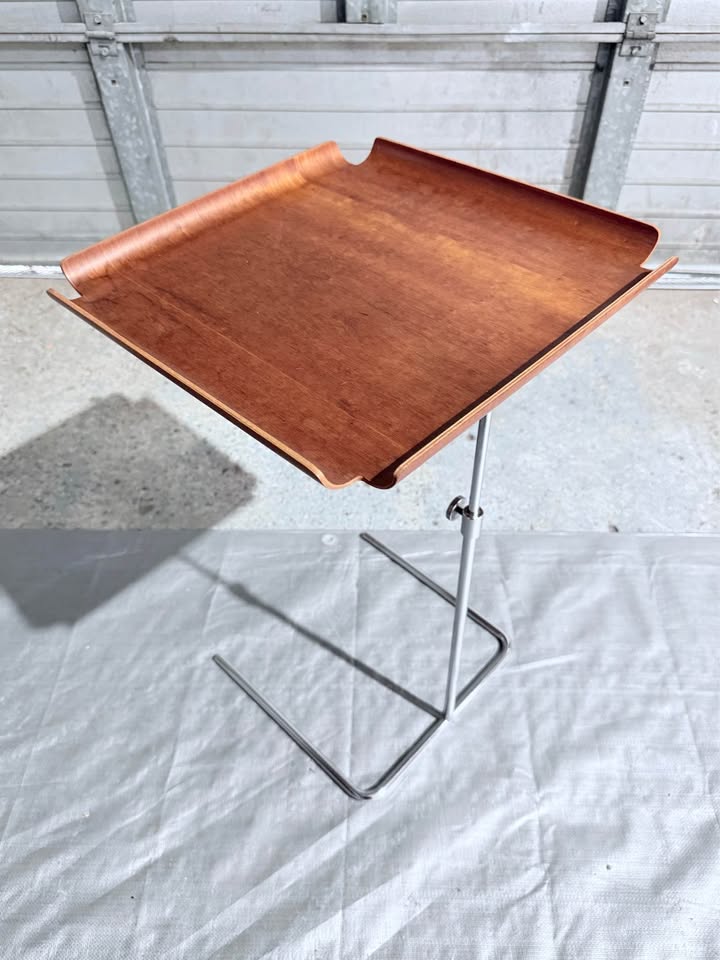
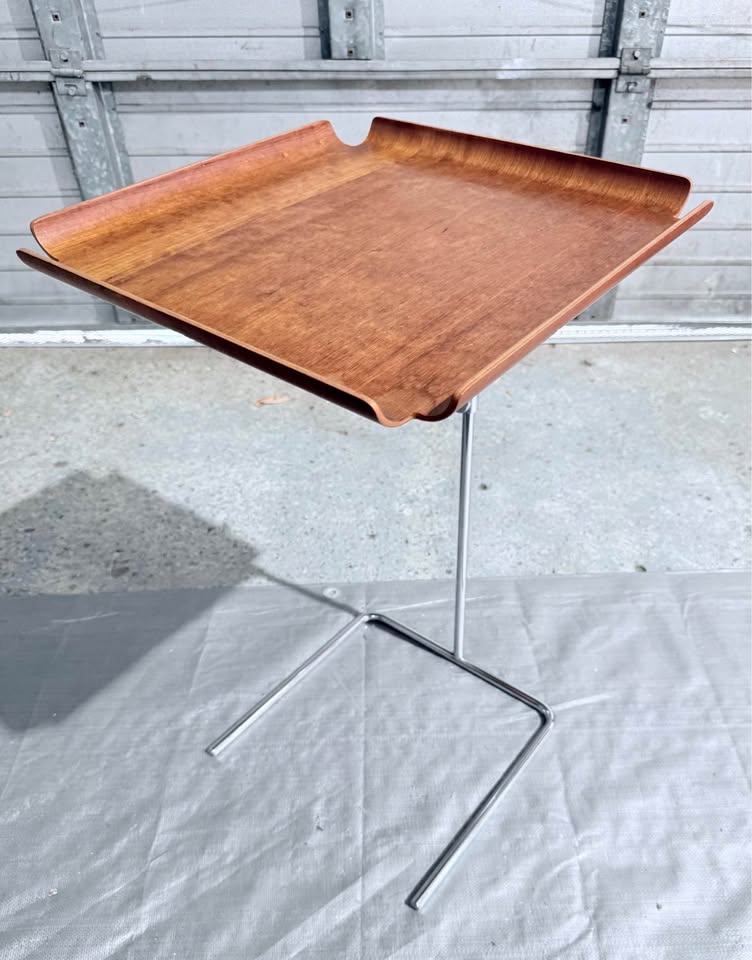
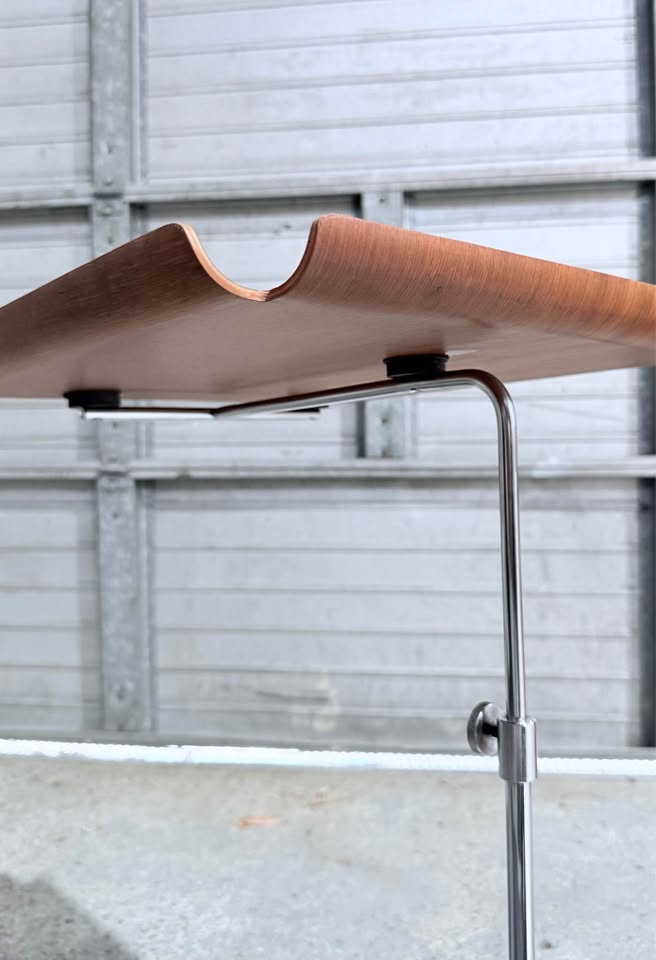
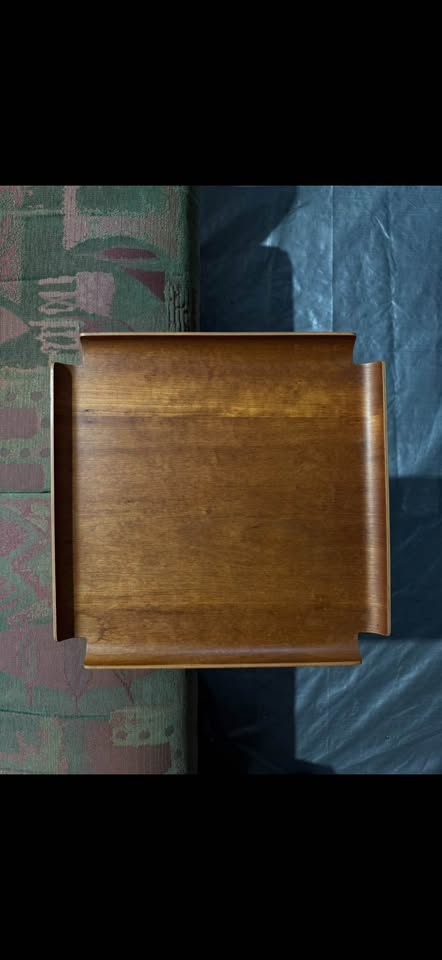
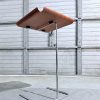
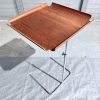
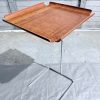
The Model 4950 Tray Table is defined by its clean, rectilinear form and low, horizontal profile, reflecting George Nelson’s modernist design language. The tabletop features a subtle raised edge, giving it the appearance of a tray while adding both visual structure and practical function. The design is understated and balanced, combining simplicity with a sense of order and proportion typical of mid-century modern furniture.
Materials & Construction
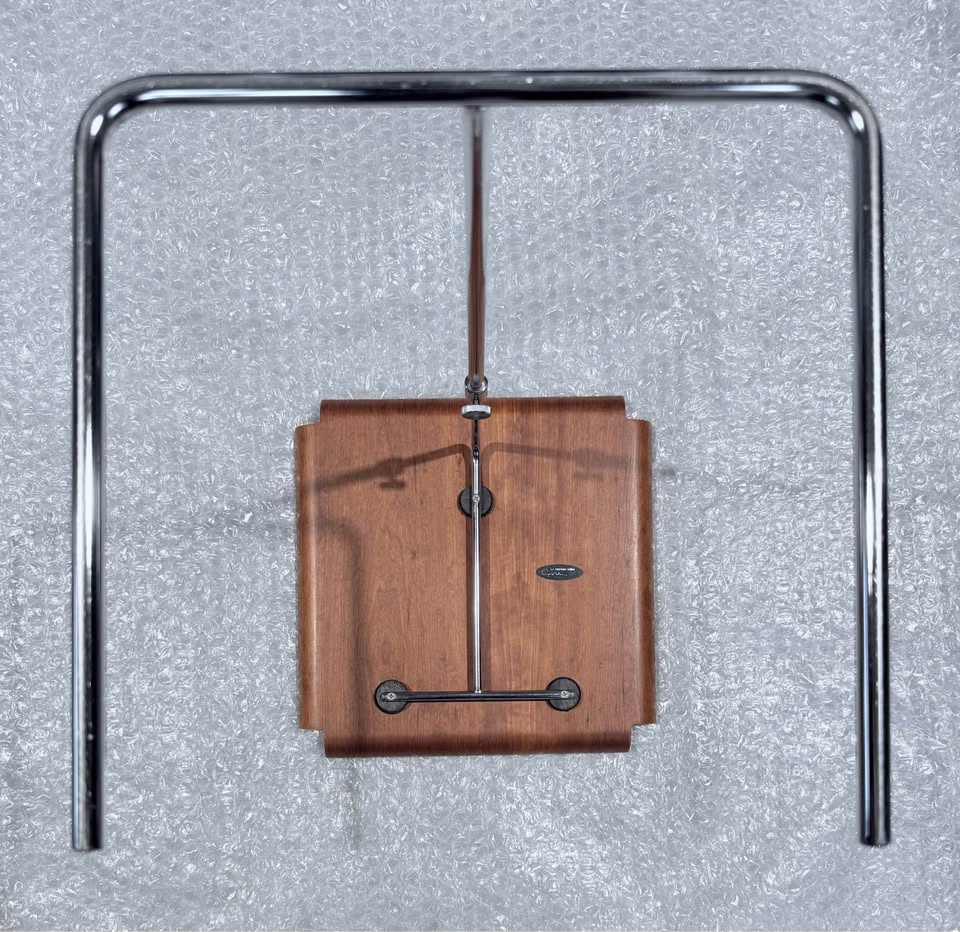
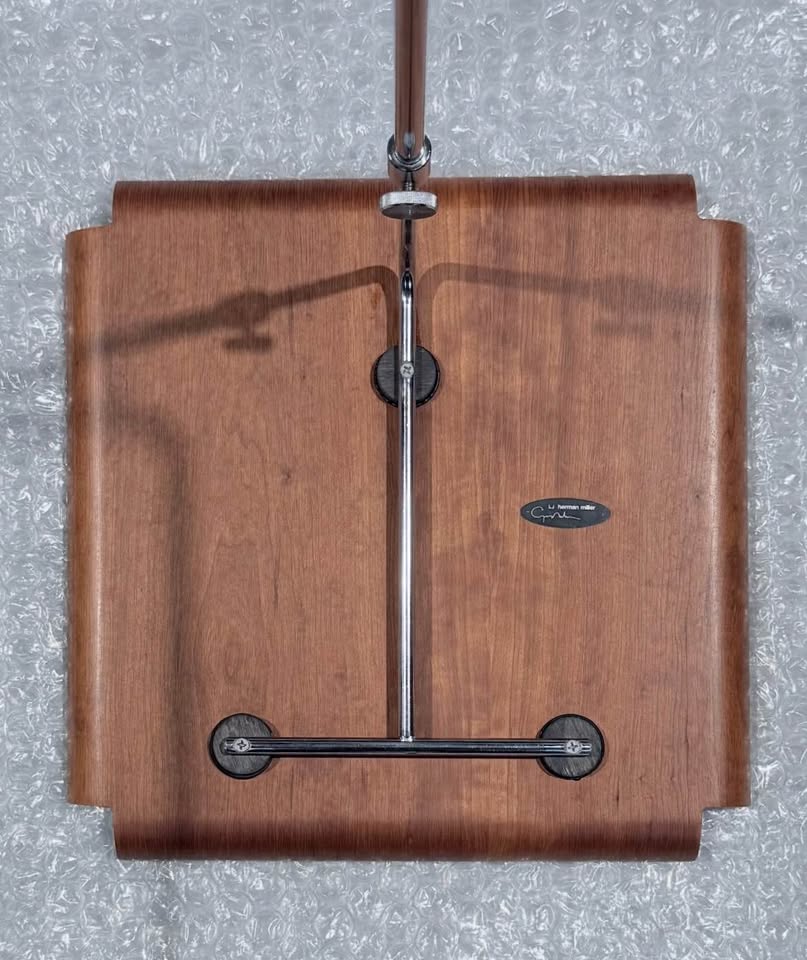
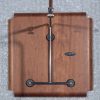
The table is typically constructed from high-quality wood veneers such as walnut or teak, often paired with a contrasting edge detail that defines the tray-like top. The base is minimal and precisely engineered, allowing the top to appear as though it is lightly suspended. The construction emphasises durability, material warmth, and precision craftsmanship, characteristic of Herman Miller production.
Functionality
Designed as both a coffee table and a serving surface, the raised-edge top provides a practical function by preventing items from slipping while also allowing the surface to be used as a tray. Its proportions make it well suited for living spaces, offering versatility as a central table or occasional piece. The design reflects a thoughtful approach to everyday use, where functionality is seamlessly integrated into form.
Concept & Inspiration
The concept behind the Model 4950 centres on combining furniture with utility, transforming a traditional table into a multifunctional object. Nelson’s approach was rooted in solving everyday problems through design, and the tray feature reflects a desire to enhance usability without adding visual complexity.
Design Context
Designed in 1948 during George Nelson’s tenure as Director of Design at Herman Miller, the table forms part of a broader movement toward modern living solutions that emphasised flexibility, efficiency, and simplicity. It sits within a wider body of work that helped define the aesthetic and philosophy of mid-century American design.
Designer Significance
George Nelson was one of the most influential figures in American modernism, known for his role in shaping the direction of Herman Miller and for promoting human-centred, functional design. His work spans furniture, interiors, and industrial design, consistently focusing on clarity, practicality, and innovation.