














Design & Aesthetic
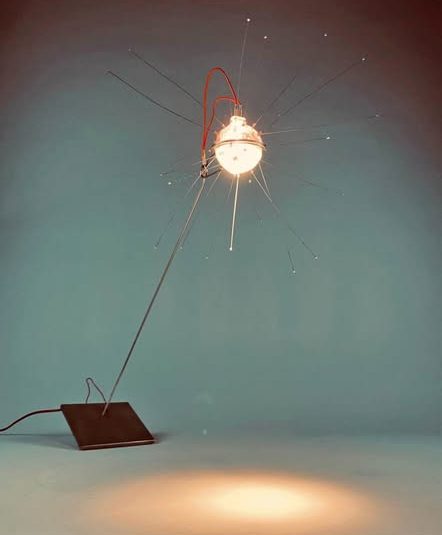
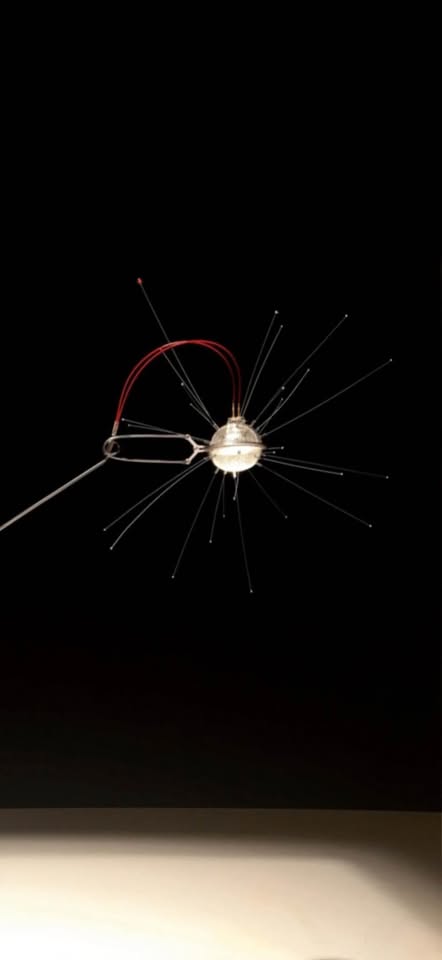
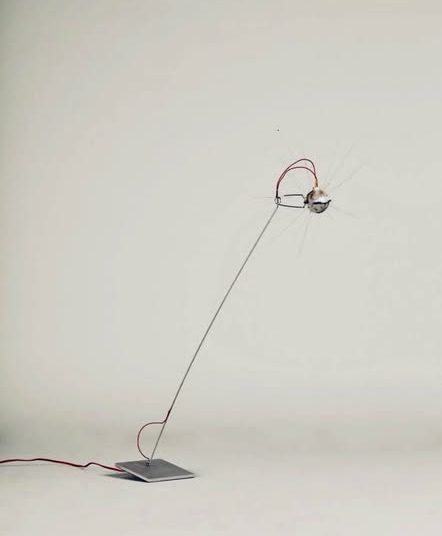
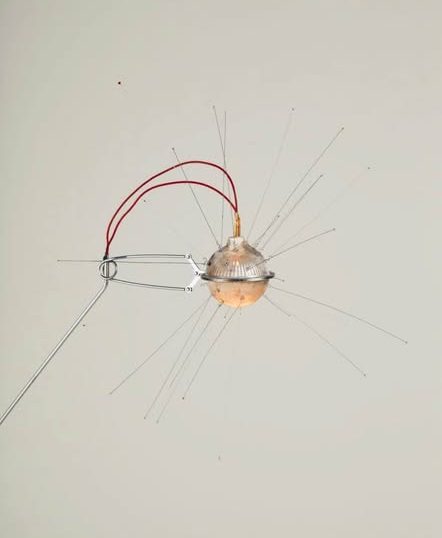
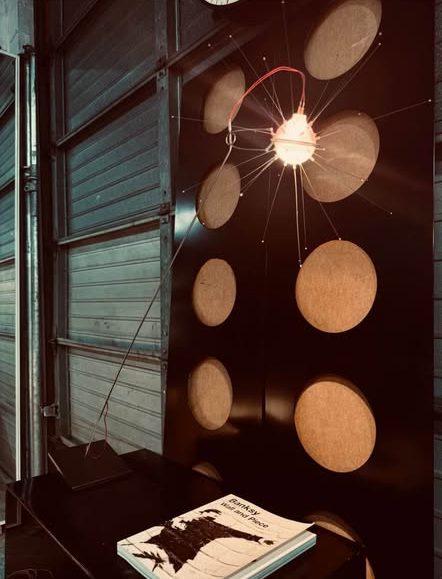
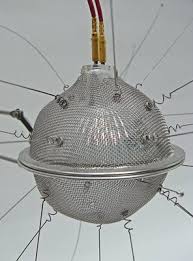
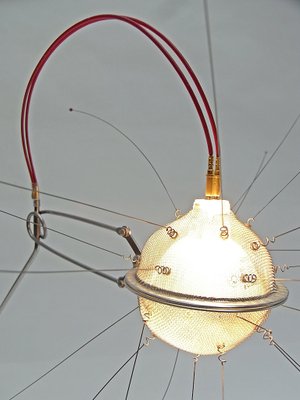
The Mozzkito Lamp is defined by its delicate, wing-like structure that evokes the image of a mosquito in flight. Its composition is light and minimal, with a single exposed bulb paired with translucent wings that create a sense of movement and fragility. The design appears almost weightless, blurring the boundary between functional lighting and sculptural object, and embodying a poetic and playful aesthetic.
Materials & Construction
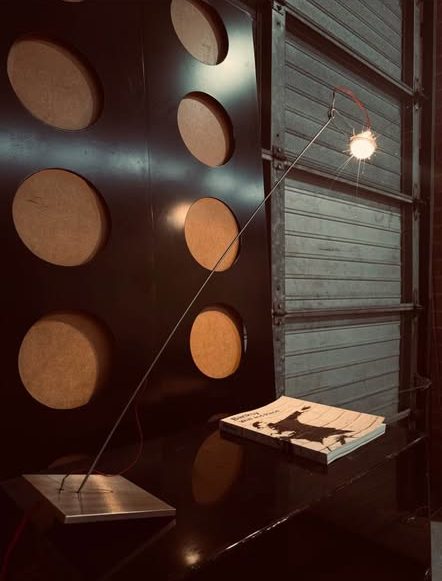
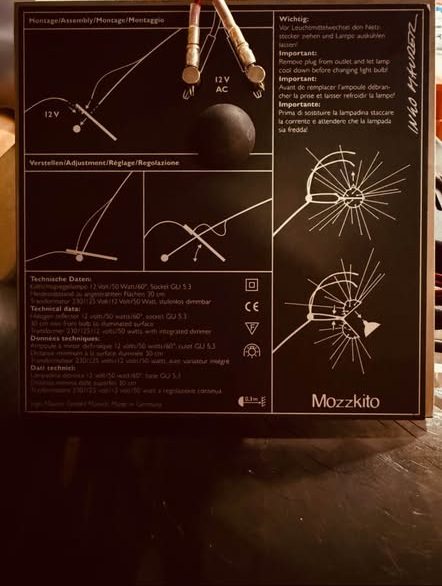
The lamp is constructed from a fine metal rod structure combined with lightweight wing elements made from translucent materials such as plastic or glass. The exposed light source, originally low-voltage halogen and later adapted to LED, is integrated into the form without concealment. The construction is intentionally minimal, emphasising transparency, balance, and the expressive quality of each component.
Functionality
Designed as a table or desk lamp, Mozzkito provides soft ambient illumination while also offering a degree of directional light depending on placement. The wing elements interact with the light source to diffuse and reflect the glow, creating a gentle and atmospheric lighting effect. While functional, the lamp is equally intended to serve as a visual focal point within a space.
Concept & Inspiration
The design is inspired by the ephemeral nature of insects and the sensation of flight, capturing a fleeting moment in a static object. Ingo Maurer’s approach transforms a simple light source into a narrative element, exploring themes of lightness, movement, and illusion. The lamp reflects his broader philosophy of turning everyday objects into poetic and imaginative expressions.
Design Context
Created in 1996, Mozzkito emerged during a period when lighting design was becoming increasingly experimental and conceptual. Produced by Ingo Maurer GmbH, a studio renowned for pushing the boundaries of lighting design, the piece sits alongside other iconic works that challenge traditional notions of form and function.
Designer Significance
Ingo Maurer is widely regarded as one of the most innovative lighting designers of the 20th century, known for his experimental use of materials and his ability to treat light as an emotional and artistic medium. His work consistently merges technology with creativity, redefining the role of lighting within interior spaces.