

Design & Aesthetic
The table is defined by its elegant oval top and four sculptural aluminium legs that curve outward in a fluid, architectural gesture. The contrast between the warm timber surface and the industrial metal base creates a visually balanced composition. Its form conveys both strength and lightness, making it a striking yet refined centrepiece.
Materials & Construction
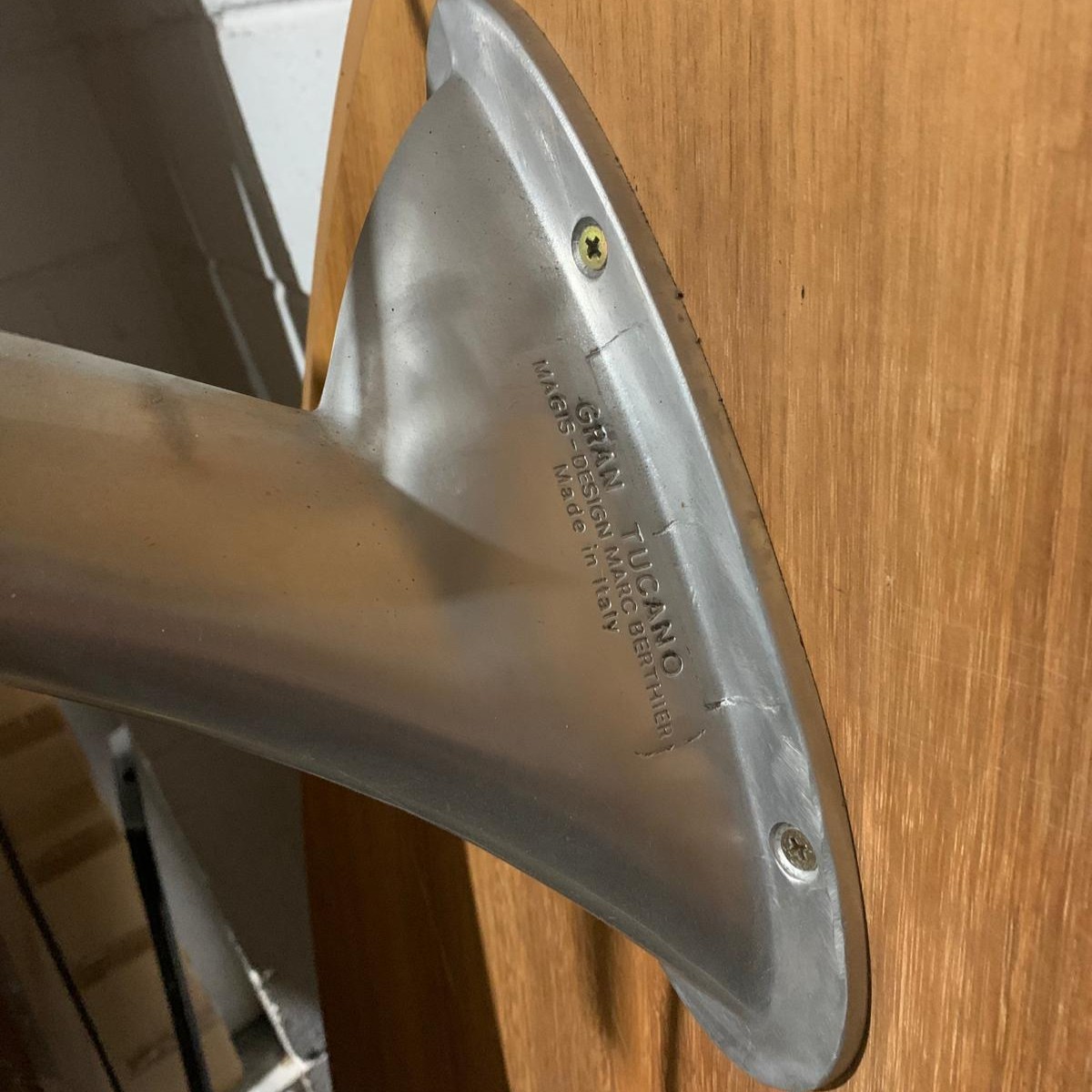
The table features a veneered timber top, often with subtle geometric detailing, supported by cast aluminium legs. These legs are engineered as both structural and visual elements, giving the table its distinctive identity. The combination of precision manufacturing and crafted materials reflects Magis’ commitment to innovation and quality.
Functionality
Designed as a full-scale dining table, the oval format allows for flexible seating and a more social dining arrangement. The four-leg configuration ensures stability while maintaining an open and accessible structure. It is suitable for both residential interiors and design-focused commercial environments.
Concept & Inspiration
Marc Berthier’s design explores the relationship between engineering and form, where structural elements become expressive features. The “Tucano” concept suggests balance and lightness, with the legs functioning as stylised supports that elevate the tabletop visually and physically.
Design Context
Produced by Magis in the early 1990s, the Gran Tucano forms part of a broader movement in European design that embraced new materials and sculptural forms. It reflects a period where furniture began to move beyond purely functional objects into expressive, architectural statements.
Designer Significance
Marc Berthier is a respected French designer whose work is included in major museum collections such as MoMA and the Centre Pompidou. His designs are known for combining technical precision with sculptural clarity, and the Tucano series remains one of his most recognisable works.